Glaucoma is often called the silent thief of sight. It usually causes no pain and no early symptoms while it quietly damages the optic nerve, and up to half of the people who have it do not know. It is a leading cause of irreversible blindness, and the vision it takes cannot be brought back. Caught early, it can almost always be controlled. We screen for glaucoma at every comprehensive eye exam and manage it closely once it is found.
Glaucoma is a group of eye diseases that damage the optic nerve, the cable carrying what you see to your brain. It is usually linked to raised pressure inside the eye, though not always. The damage starts in your peripheral vision, which is why most people do not notice it until it is advanced. The damage cannot be reversed, but treatment can stop it or greatly slow it down.
The air puff test only estimates the pressure inside your eye, and pressure is one piece of the picture rather than the whole of it. Many people develop glaucoma with entirely normal eye pressure, a form called normal tension glaucoma, and a pressure reading alone would miss them.
A real glaucoma evaluation also examines and images the optic nerve itself and maps your peripheral vision. That is how glaucoma is actually diagnosed, and it is why a comprehensive exam matters more than a single pressure reading.
Glaucoma is diagnosed by building a picture over time, not from one number. We use three measurements together:
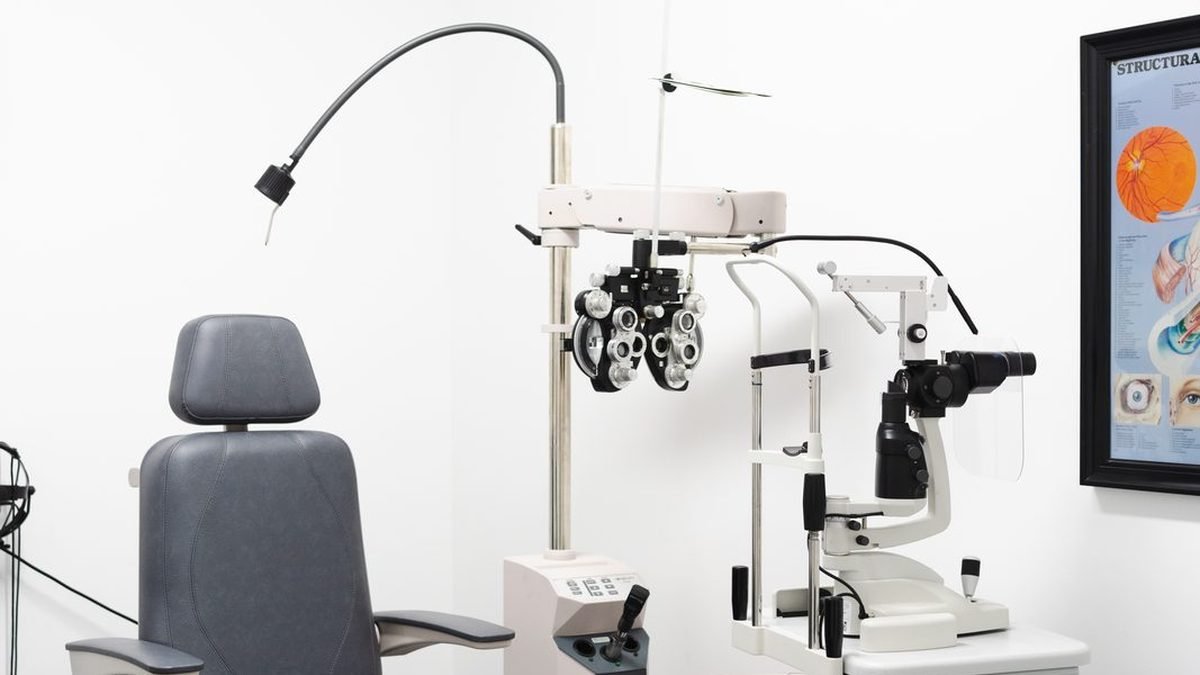
Our Optovue OCT measures the nerve fiber layer around the optic nerve, the tissue glaucoma destroys first. It detects thinning before any vision has been lost, which is the earliest point at which we can act.
We map your peripheral vision with a Humphrey visual field analyzer and a VF2000 virtual reality field system. This shows function, where the OCT shows structure, and the two together are far more reliable than either alone.
Because glaucoma is defined by change, single readings matter less than the trend. We repeat the same measurements on the same instruments so year over year comparisons are genuinely comparable, and we photograph the optic nerve with our DRS fundus camera to keep a permanent visual record. We also perform regular OCT scans and create a change analysis number that tracks your glaucoma progression and helps us determine whether your treatment is working.
Treatment works by lowering the pressure inside the eye to protect the optic nerve. Options include:
Whether it is prescription medication, laser treatment, or surgery, our team of doctors will guide you through the various treatment options for your specific condition and monitor your disease to make sure everything is being done to preserve the vision you have. We prescribe and manage pressure lowering drops here in the office. Where a laser or surgical procedure becomes necessary, we coordinate that with a surgeon and continue to manage your monitoring.
For the most common form, there usually are none. Glaucoma causes no pain and no blurred vision early on, and the first losses are in your peripheral vision where your brain fills in the gaps. That absence of symptoms is exactly why it is dangerous, and why detection depends on testing rather than on how your eyes feel.
No, but it can be controlled. Vision already lost to glaucoma cannot be restored, because the damaged optic nerve fibres do not regenerate. What treatment does, and does well, is stop or greatly slow further loss. Most people who are diagnosed early and treated consistently keep useful vision for life.
Family history is one of the strongest risk factors. If a parent or sibling has glaucoma your own risk is significantly higher, and you should be screened regularly and tell us about it. Risk is also higher with age, with African or Hispanic ancestry, with diabetes, and with high short-sightedness.
No. It estimates eye pressure only, and people with normal pressure can still have glaucoma. A proper check also images the optic nerve and maps the peripheral vision.
For most adults, screening as part of an annual comprehensive eye exam is enough. If you have a family history, raised eye pressure, or other risk factors, or if you are already being monitored as a glaucoma suspect, we will usually want to see you more often.