Myopia, also known as nearsightedness, is a prevalent condition affecting about 40% of the US population. Globally, the number of patients with myopia is projected to reach nearly 5 billion by 2050. This rapid increase is attributed to increased screen time, decreased outdoor activity, and genetic predisposition.
Children with myopia often struggle in school, sports, and social settings due to blurred vision.
Myopia occurs when the eyeball is too long, or the cornea is too curved, causing light to focus in front of the retina rather than directly on it. As a result, distant objects appear blurry while close objects remain clear. If left untreated, myopia can lead to more severe complications, such as an increased risk of retinal detachment, cataracts, and glaucoma.
Myopia cannot be reversed, but myopia management can slow its progression and reduce the risk of future eye health complications.

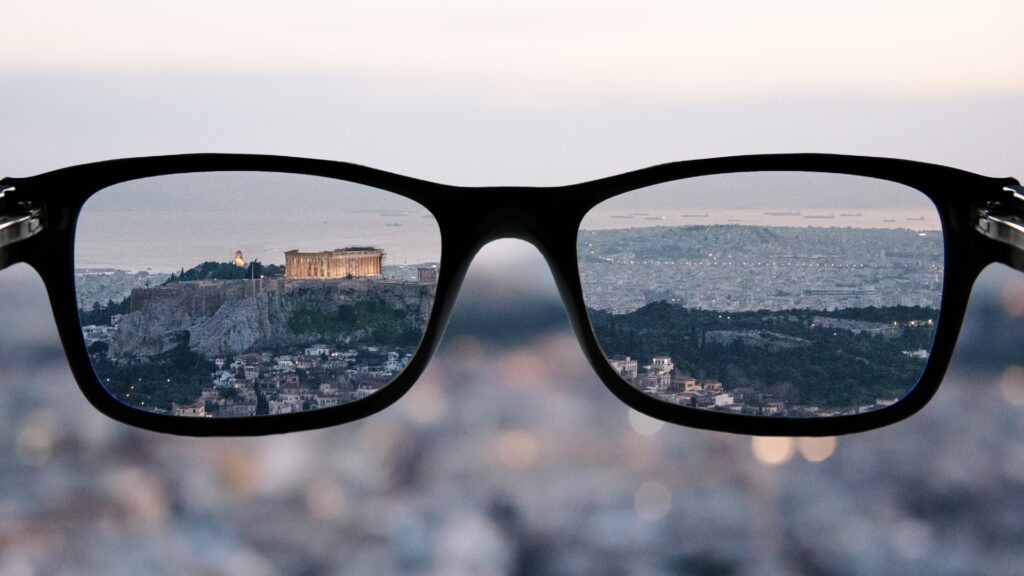
This treatment aims to slow the progression of nearsightedness through specialized treatments, including:
We provide customized myopia management plans to help patients maintain clear vision and reduce long-term eye health risks regardless of age.
Get the quality treatment you deserve with us.
Myopia management is not a single product. Which approach suits your child depends on their prescription, their age, their eyes and how they live. We fit five:
A daily disposable soft contact lens, and the only FDA approved contact lens clinically shown to slow the progression of myopia in children. Nothing to clean, and a fresh lens every morning.
Custom Paragon CRT lenses worn overnight that gently reshape the cornea while your child sleeps, so they see clearly through the day without glasses or daytime contacts.
Soft lenses that correct distance vision while changing how light focuses in the periphery of the retina, which is the signal that drives the eye to keep elongating.
A nightly eye drop that slows progression. It is prescribed at a low, compounded concentration and is often used alongside another method, or where lenses are not a good fit for the child.
Specialized spectacle lenses that look like an ordinary pair of glasses, for children who are not ready for contact lenses. In the manufacturer’s two year trial they slowed myopia progression by an average of 71 percent when worn consistently. Stellest received FDA authorization in September 2025 for children who begin treatment between ages 6 and 12.
We track progression with an IOLMaster, which measures the axial length of the eye, its physical front to back length. This matters because axial length is what actually drives the long term risk to eye health, and it can keep changing even in a year when the glasses prescription looks stable. Measuring it tells us whether the treatment is genuinely holding, rather than waiting for the prescription to move.
For parents: what to do when your child’s prescription keeps getting stronger every year.
Myopia, also known as nearsightedness, occurs when the eyeball is too long or the cornea is too curved, causing light to focus in front of the retina rather than directly on it. Distant objects appear blurry while close objects remain clear.
No. Myopia cannot be reversed. However, myopia management can slow its progression and reduce the risk of future eye health complications.
If left untreated, myopia can lead to more serious complications later in life, including an increased risk of retinal detachment, cataracts and glaucoma. Slowing progression in childhood is about long-term eye health, not just a prescription.
Myopia already affects about 40% of the US population, and globally the number of people with myopia is projected to reach nearly 5 billion by 2050. The rapid increase is attributed to increased screen time, decreased outdoor activity and genetic predisposition.
There are five: MiSight 1 day contact lenses, Orthokeratology (Ortho-K) overnight lenses, multifocal contact lenses, low-dose atropine eye drops, and Stellest spectacle lenses.
Stellest lenses are specialized spectacle lenses that correct myopia and slow its progression in children by an average of 71% over two years when worn consistently. In September 2025 they became the first myopia-control spectacle lens authorised by the FDA in the United States.
Low-dose atropine has been clinically proven to slow myopia progression in children. Which option suits your child depends on their eyes and lifestyle, which is what the consultation determines.
It can be. Children with myopia often struggle in school, sports and social settings because of blurred distance vision, sometimes without ever mentioning it.
We measure the axial length of the eye with an IOLMaster, not just the glasses prescription. Axial length is the physical length of the eye and it is what determines the long term risk to eye health. A prescription can look stable for a year while the eye is still elongating, so measuring it directly is the reliable way to tell whether treatment is holding.