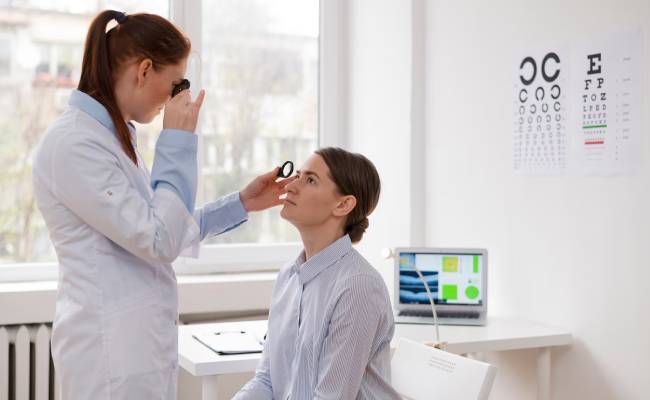
Our comprehensive dry eye care solution for optimal vision and comfort.
Dry Eye Disease, also known as Keratoconjunctivitis Sicca or DED, can significantly impact your vision, comfort, and quality of life. At the Family Eye Center, we offer advanced diagnostic tools and innovative treatments tailored to address the root causes of dry eye.
Dry eye is a common ocular condition characterized by insufficient tear production or rapid tear evaporation. It can cause dryness, irritation, redness, and a foreign body sensation. Aging, environmental factors, certain medications, or underlying health conditions can also cause it.
If you experience any of the following symptoms, you may be suffering from dry eye disease:
Dry eye symptoms can also result from various medical conditions such as rosacea, diabetes, or autoimmune diseases, medications such as antihistamines or antidepressants, and lifestyle factors like incomplete blinking or wearing sleep apnea masks.
At the Family Eye Center, we provide personalized dry eye treatment plans tailored to your unique ocular needs.
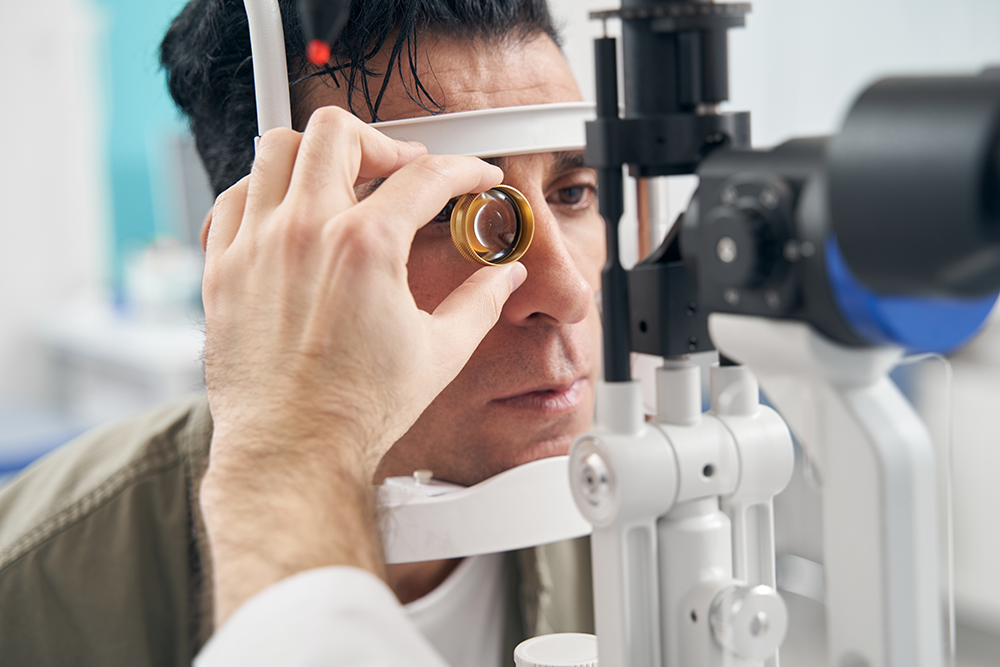
Helps retain natural tears by blocking tear drainage and improving eye hydration.
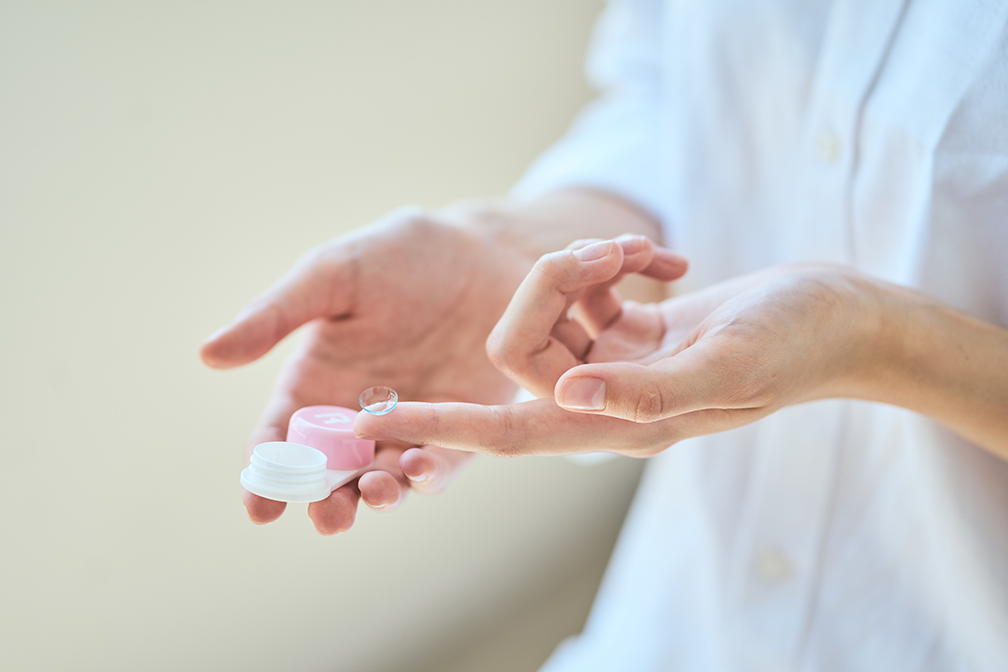
Creates a fluid reservoir over the eye, offering continuous hydration and enhanced comfort.
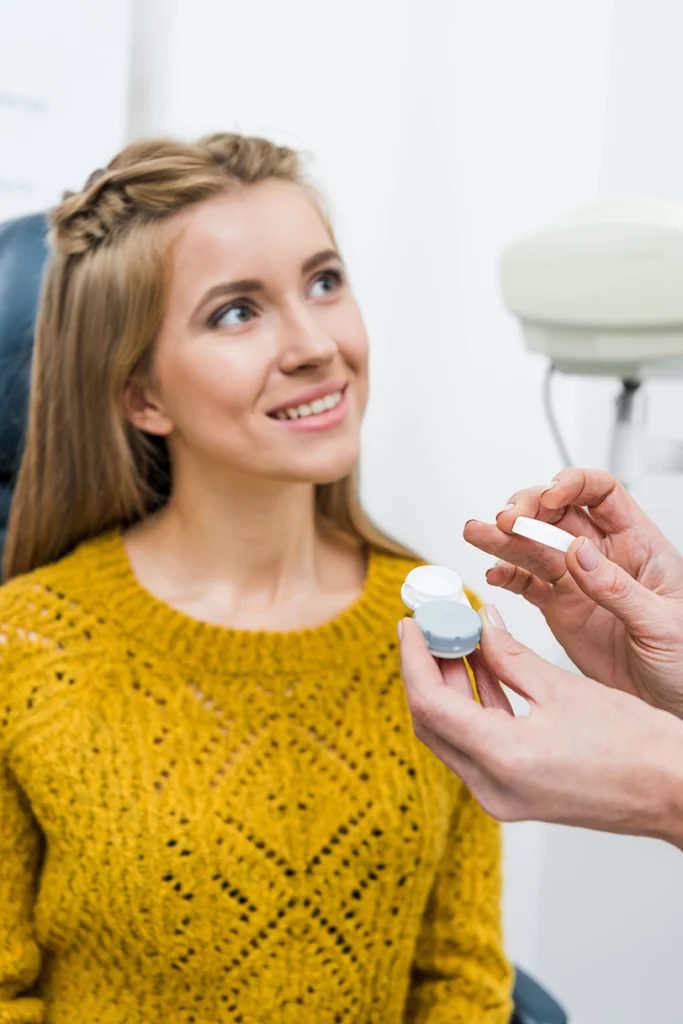
Enhances tear distribution and minimizes irritation for dry, sensitive eyes.
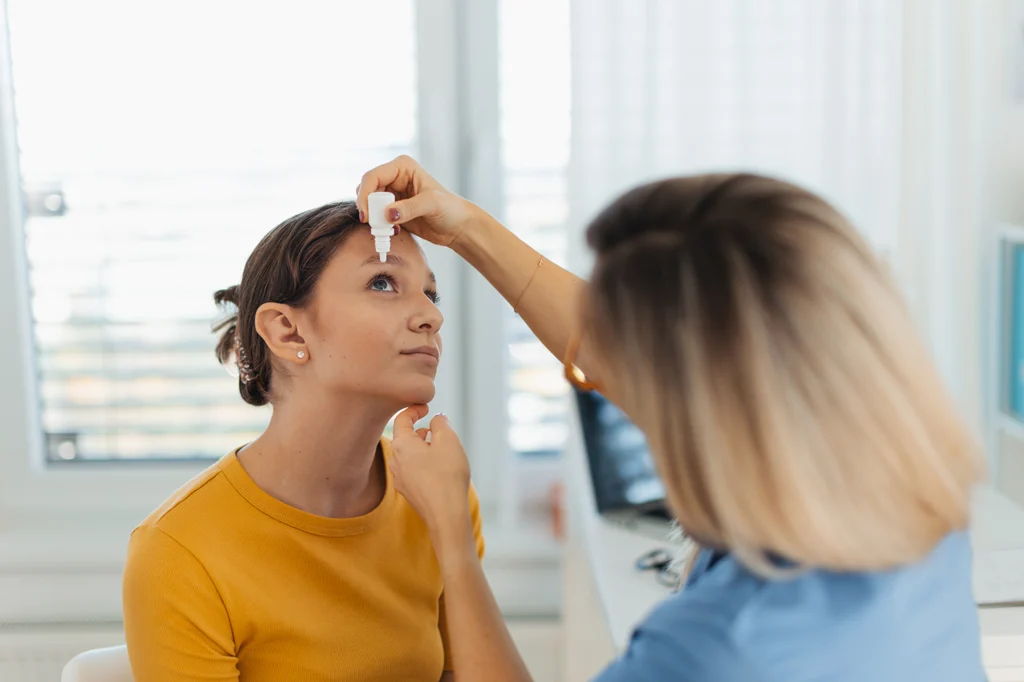
Includes lubricating drops, anti-inflammatory medications, and prescription eye drops to reduce dryness, inflammation, and discomfort.
Our expert team utilizes advanced diagnostic tools to identify the root causes of your DED and develops customized treatment plans tailored to your unique needs, providing long-term relief from dry eye symptoms.
We believe everyone deserves a clear, comfortable vision to experience life’s beauty fully. Our dry eye specialists use a forensic approach to uncover your specific challenges and provide efficient solutions to enhance your vision and overall quality of life.
Let us help you rediscover comfort and clarity through personalized care. Schedule your consultation today and discover dry eye relief.
Dry eye has more than one cause, and treating it well starts with identifying which one you have. Rather than relying on symptoms alone, we measure it:
Together these separate the two main types of dry eye, one where the eye does not make enough tears and one where the tears evaporate too quickly, because they are treated differently.
Your treatment is matched to the cause we find rather than applied from a single standard protocol. Depending on what is driving your dry eye, it may include:
We prescribe Restasis, Xiidra, Vevye, Miebo and Xdemvy, along with short-term steroid drops and oral anti-inflammatory treatment where it is appropriate.
Punctal plugs help your natural tears stay on the eye longer by slowing how quickly they drain away. We also use heat mask therapy for blocked oil glands and omega-3 supplementation to support tear quality. For severe dry eye that has not responded to drops, scleral lenses hold a reservoir of fluid against the eye all day.
Dry eye disease, also called Keratoconjunctivitis Sicca or DED, is a common condition where your eyes either do not produce enough tears or your tears evaporate too quickly. It can cause dryness, irritation, redness and a foreign body sensation.
Common symptoms include a gritty or sandy feeling, a foreign body sensation, burning or stinging, sensitivity to light, fluctuating or blurred vision, eye soreness, and sharp pain in or around the eyes.
The most common cause is meibomian gland dysfunction, or MGD, where the oil glands along the eyelids become blocked so the tears evaporate too quickly. In one clinical study, about 86 percent of dry eye patients had signs of MGD. Dry eye can also be caused by aging, environmental factors, certain medications, and underlying health conditions, and it is associated with rosacea, diabetes and autoimmune diseases, and with lifestyle factors such as incomplete blinking or wearing a sleep apnea mask.
It can. Dry eye symptoms are associated with medications including antihistamines, antidepressants and oral contraceptives. Bring a list of what you take to your appointment.
Yes. Long-term computer use is a recognized contributing factor, as is incomplete blinking, which often happens while concentrating on a screen.
We build a personalised treatment plan rather than applying one standard fix. Options include punctal plug procedures, scleral lenses, specialty soft lenses, and topical treatments.
Punctal plugs help retain your natural tears by blocking tear drainage, which improves hydration of the eye.
Two of our treatments are lens-based. Scleral lenses create a fluid reservoir over the eye for continuous hydration, and specialty soft lenses enhance tear distribution and minimize irritation for dry, sensitive eyes.
It sounds like a contradiction, but watery eyes are one of the most common signs of dry eye. When the surface of your eye becomes dry and irritated, it triggers a reflex that floods the eye with a burst of tears. These reflex tears are mostly water and lack the oil and mucus that keep a healthy tear film in place, so they run off quickly and leave the eye dry again. The watering is your eye’s alarm signal, not proof that you have enough tears, which is why treating the underlying dryness is what stops the tearing.
Yes. Demodex mites live in the lash follicles and are a common and often missed cause of persistent lid irritation, redness and crusting. We diagnose it in office and treat it, including with Xdemvy, the prescription drop developed specifically for Demodex blepharitis.