
Medically reviewed by Dr. Massimo Gramanzini, OD
If you have been searching for information on an eye exam for astigmatism, chances are you have either heard the word from a family member, noticed some blur or glare around lights, or you are just curious what the process involves before your appointment. Whatever brought you here, this guide is meant to walk you through the process in plain language so you feel at ease when you sit down in the chair at Family Eye Center in Davie.
Astigmatism happens when the front surface of the eye, the cornea, or the lens inside the eye has a shape that is more like a football than a basketball. Instead of light focusing to one clear point on the back of the eye, it focuses in two different spots. This can make things look blurry at any distance, near or far, rather than only up close or only far away. It is a common finding, not a rare condition, and many people go years without realizing it is the reason certain things look softer or slightly doubled.
If any of these sound familiar, it does not automatically mean anything serious. It means it may be time to have your eyes checked so you understand what is going on and what your options are.
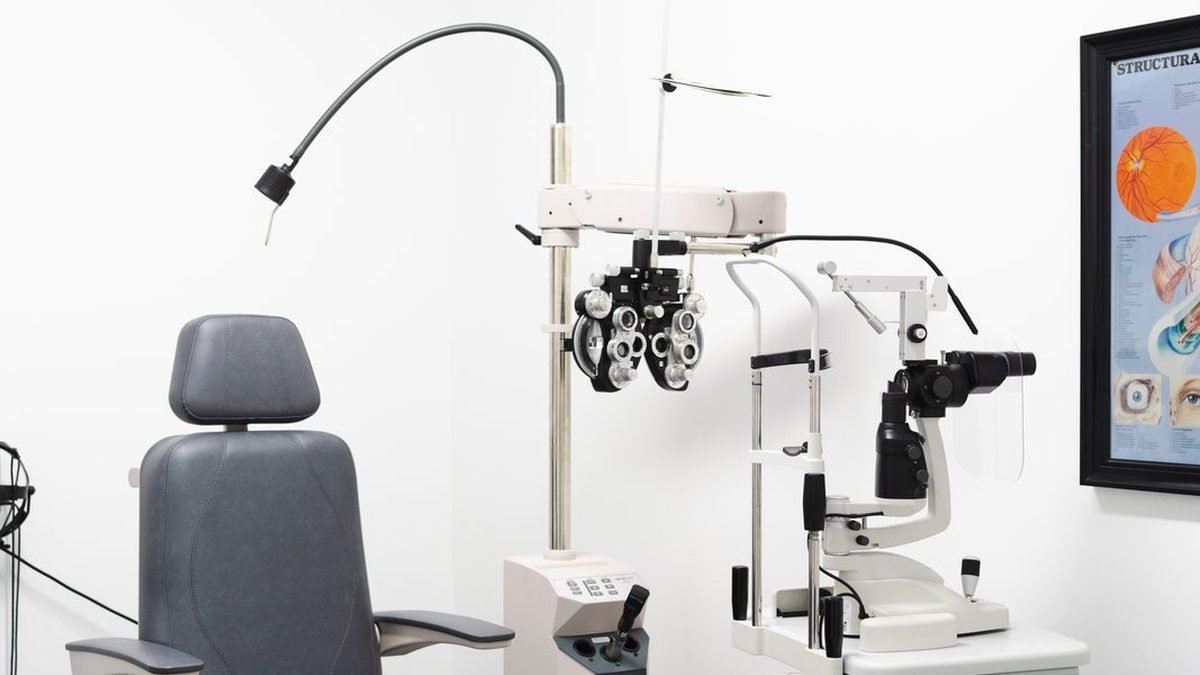
The reassuring part is that checking for astigmatism is a normal, built-in part of a comprehensive eye health exam, so you will not need to schedule anything extra or unusual. Here is a general walkthrough of what the visit tends to look like from start to finish.
Before any equipment comes out, our techs will ask about your vision history, any headaches or eye strain you have noticed, and how your eyes feel during daily tasks like driving, reading, or working at a computer. If you wear contacts already or are interested in contacts, this is also a good time to mention it, since a contact lens evaluation will involve additional testing as part of your visit. This conversation helps guide the rest of the exam and gives your optometrist a better picture to construct a plan to address your concerns.
Next comes the classic letter chart. You will be asked to read letters at a distance, and sometimes up close as well. This step gives a baseline of how sharp your vision is without any correction, and it helps your tech notice patterns that point toward astigmatism which your doctor will evaluate.
After your workup is completed by our techs, you will be transferred to the exam room where the doctor will begin the evaluation. This is where astigmatism usually gets identified. You will look through a device with rotating lenses while your optometrist asks which option looks clearer, first one, then another. It can feel a little like an eye doctor version of “which is better, 1 or 2?” This back and forth measures the exact shape and strength needed to bring things into focus, including the specific correction for astigmatism. Take your time answering. There is no wrong answer, and your optometrist will guide you through as many comparisons as needed until the picture sharpens up.
Beyond the lens comparisons, a comprehensive eye health exam at Family Eye Center will include evaluating for glaucoma, cataracts, ocular surface issues, macular degeneration and other potential eye conditions. In addition, if elective scans and photos are taken, the doctor will review and explain these results in detail and create baseline findings for comparison in future visits. None of it should be uncomfortable, and your optometrist will explain each step as you go. In some cases, visual field testing may also be part of a fuller evaluation, giving an even broader look at how you see the world around you, including your side vision.
Dilating drops are used to get a wider view inside the eye. Your vision may feel a bit more sensitive to light for a few hours afterward, so many patients like to bring sunglasses along for the ride home. We carry designer sunwear if you need a pair before you head out.
A few parts of this process are specific to measuring astigmatism and may feel new compared to a basic vision screening you might get at school or work.
These extra steps exist because astigmatism is about shape and curvature, not just strength of prescription, so a bit more detail is needed to get an accurate picture. None of this should feel rushed. Our goal is for you to leave the appointment understanding what your eyes need, not just holding a piece of paper with numbers on it. If glasses or contacts end up being the right fit for you, our in-house finishing lab means faster turnaround on glasses, with same-day service in some cases.
You do not need to wait until your vision feels unbearable to book a visit. Consider scheduling an eye exam for astigmatism if you notice any of the following:
Families in Davie, Plantation, Sunrise, Weston, and Cooper City have relied on routine visits to catch these kinds of changes early, and a yearly comprehensive eye exam is a friendly way to stay ahead of them. If your child is the one showing symptoms, our team is also glad to talk through myopia management and Ortho-K options as part of a broader conversation about their long term vision needs. And if dryness or irritation has been part of the picture alongside blur, a separate dry eye evaluation can help sort out whether that is contributing to how your eyes feel day to day.
For anyone considering LASIK down the road, keep in mind that a clear picture of any astigmatism is part of LASIK co-management before and after surgery too, so an exam now is never wasted information.
Our team at Family Eye Center wants your visit to feel more like a conversation than a checklist. Whether you are booking for yourself, your child, or another family member, our office in Davie is set up to make the process comfortable from the moment you walk in. Once your exam is complete, our in-house lab and designer eyewear make it easy to go from testing straight to choosing frames that fit your style and daily routine.
If you have noticed blur, glare, or strain and want a clear answer about what is going on with your eyes, call (954) 423-8444 or book a comprehensive eye exam online. We are happy to walk you through every step, answer your questions, and help you see more comfortably.
Medically reviewed by Dr. Massimo Gramanzini, OD. Dr. Gramanzini has practiced in Davie for over 25 years and is certified in the treatment and management of ocular disease. Meet Dr. Gramanzini.


